Why This Funding Matters
India’s manufacturing ecosystem for small consumer appliances is seeing increasing momentum as brands look for reliable domestic production partners.
Mekr operates as an original design manufacturer, helping companies build and launch products without setting up their own manufacturing infrastructure.
The funding reflects growing investor interest in startups enabling India’s larger manufacturing ambitions across consumer electronics and appliances.
What Mekr Does
Mekr provides end to end manufacturing services for consumer brands.
Its offerings include product engineering, prototyping, tooling, certification, manufacturing, and final assembly.
The company works with brands including Croma, Wipro, Amazon Basics, and Flipkart.
Its product portfolio includes kettles, egg boilers, electric choppers, kitchen weighing scales, tyre inflators, vacuum cleaners, trimmers, and hair dryers.
Expansion Plans
Mekr currently operates manufacturing facilities in Kundli, Haryana, covering around 50,000 sq ft.
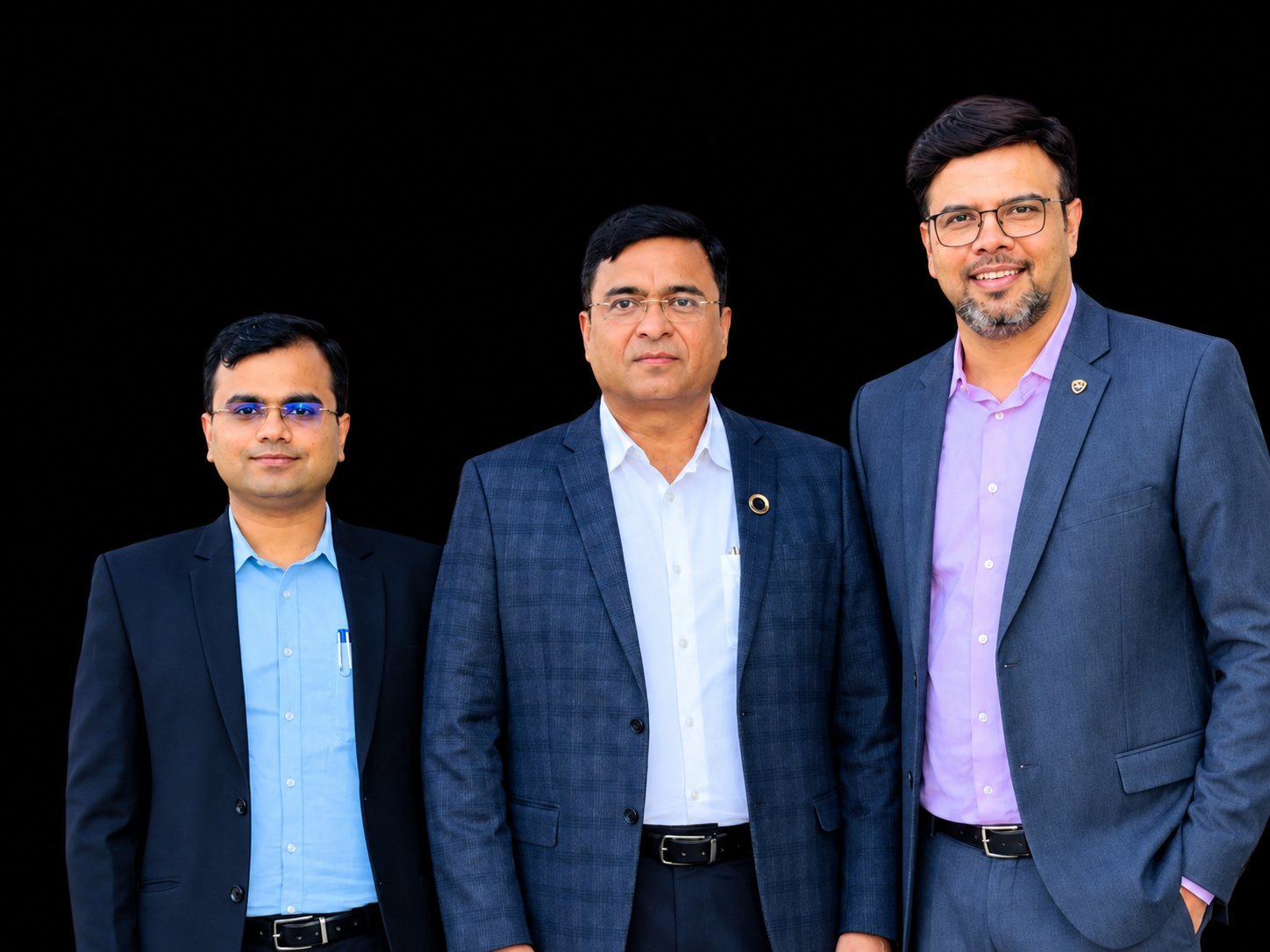
According to Co founder and CEO Gaurang Kuchhal, the startup is setting up an additional 100,000 sq ft manufacturing unit.
The expansion is expected to increase production capacity to nearly one million units every month.
India’s Growing Manufacturing Opportunity
As global supply chains continue shifting and domestic brands seek local manufacturing alternatives, startups like Mekr are positioning themselves as critical infrastructure partners.
The company’s focus on automation, localisation, and export readiness highlights a broader trend of Indian manufacturing startups aiming to compete globally while serving rising domestic demand.