


- Mon, 23 November 2026

Bengaluru based spacetech startup GalaxEye Space Solutions is set to receive Rs 63.84 crore in financial support from the Indian government to develop a multisensor satellite capable of producing OptoSAR imagery at a resolution finer than 0.5 metres.
The Technology Development Board under the Department of Science and Technology has signed an agreement with GalaxEye under the government’s Research, Development and Innovation Fund.
The overall project has an approved cost of Rs 247.69 crore. The financial support will be provided through Optionally Convertible Debentures and will help fund further development, engineering, testing and validation.
The project comes at a critical stage for GalaxEye as it works to move its technology from Technology Readiness Level 6 to TRL 9.
The government support is intended to help the company take the technology through advanced development and validation towards deployment.
The project also highlights the growing role of private companies in India’s deep tech and spacetech ecosystem.
GalaxEye is developing a system that combines Synthetic Aperture Radar and Electro Optical imaging on the same satellite platform.
Optical imaging can capture detailed visual information about the Earth’s surface, but its performance can be affected by cloud cover and lighting conditions.
SAR uses radar and can collect imagery through clouds and during both day and night.
By combining the two sensing methods, GalaxEye aims to create a more continuous view of the Earth across different weather and lighting conditions.
The proposed satellite is designed to deliver imagery at a resolution finer than 0.5 metres.
Potential applications identified by the government include wide area and long range surveillance, human and vehicle detection, and target classification.
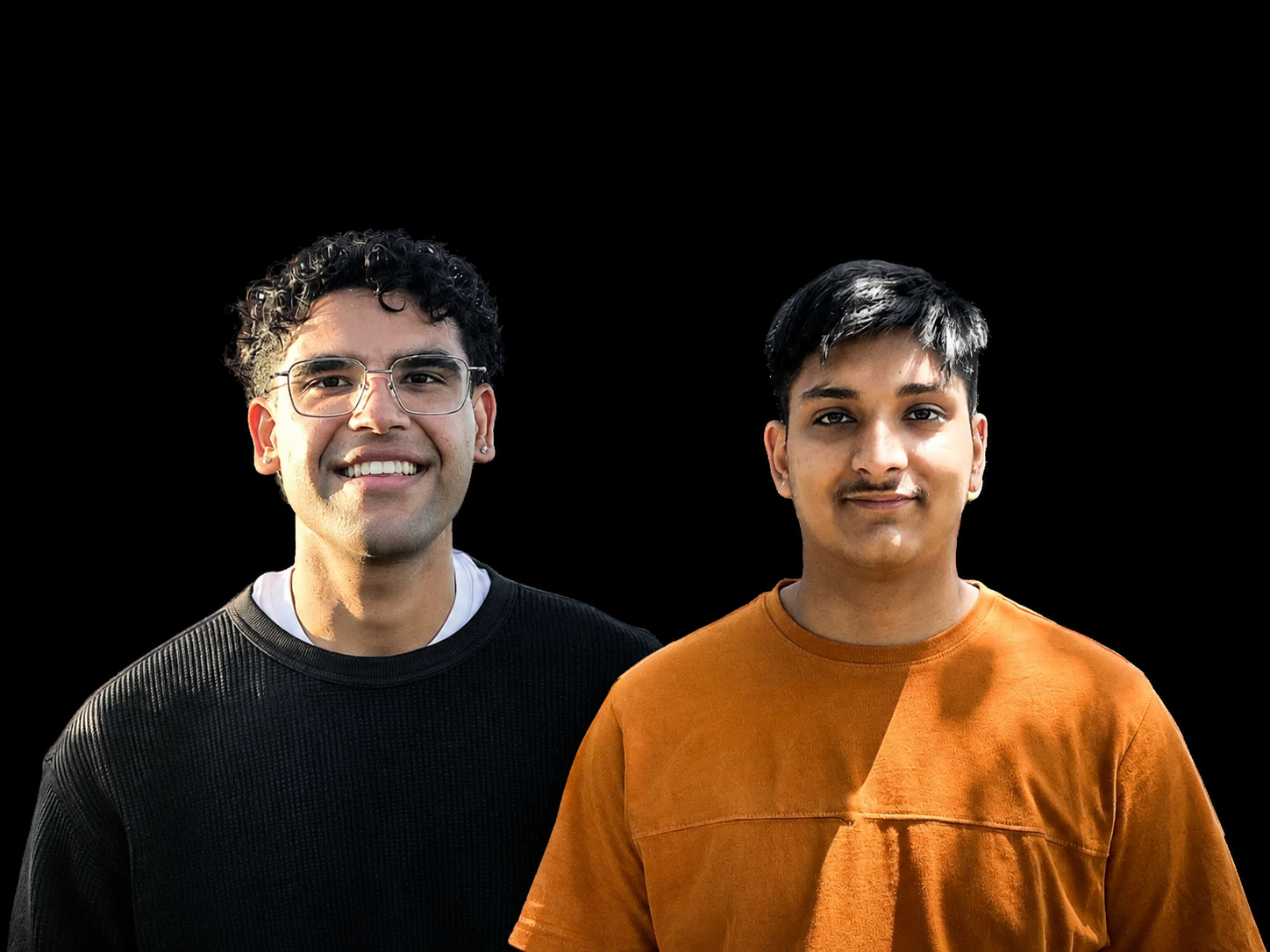
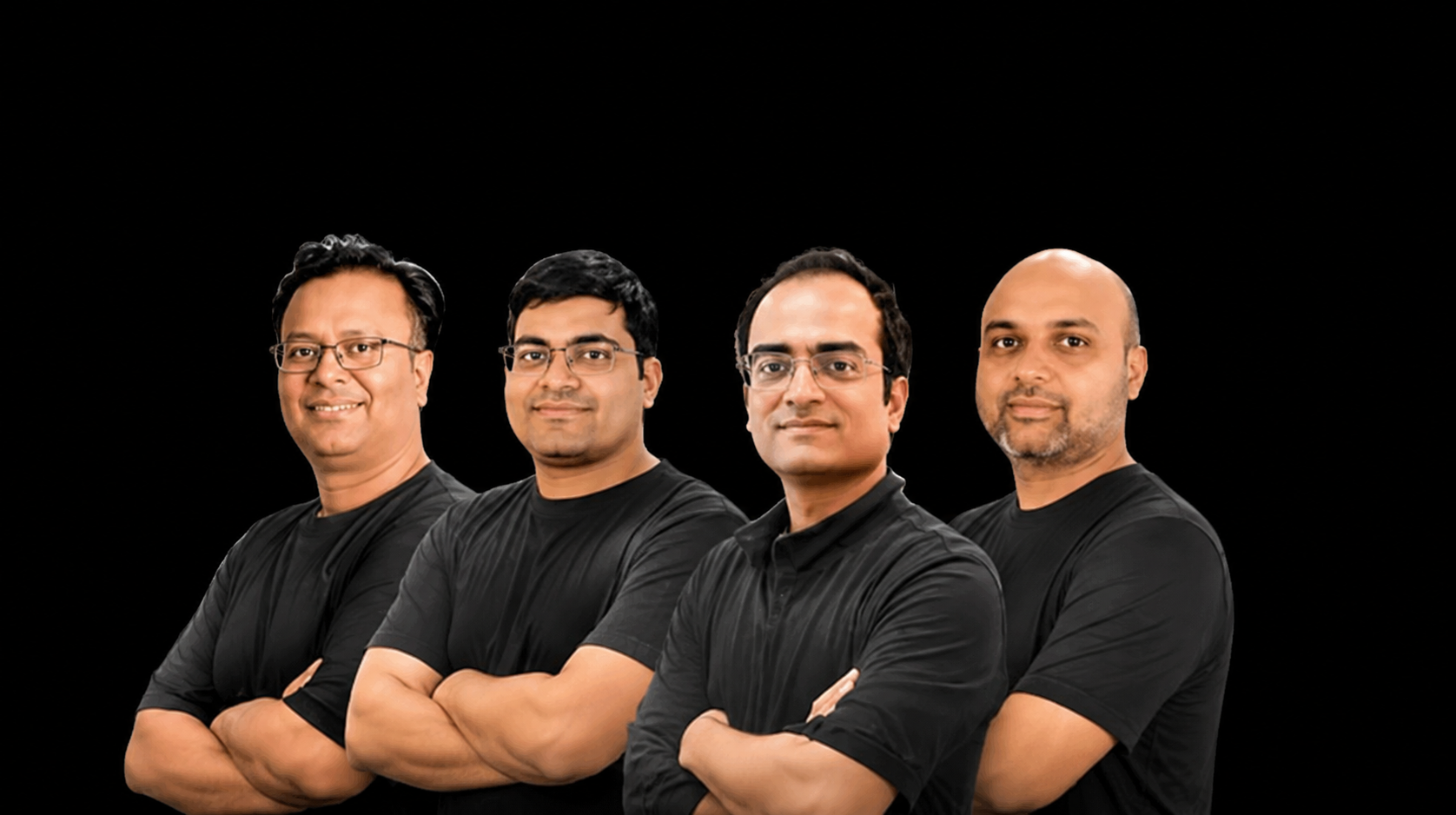
GalaxEye was founded in 2021 by Suyash Singh, Denil Chawda, Pranit Mehta, Kishan Thakkar and Rakshit Bhatt, who were part of a team of engineers at IIT Madras.
The startup is focused on Earth observation systems that combine optical and radar sensing.
Its first satellite, Mission Drishti, launched on 3 May 2026 aboard a SpaceX Falcon 9.
The Indian government described Mission Drishti at the time as the world’s first OptoSAR satellite and India’s largest privately built satellite.
Mission Drishti later faced a setback when communication became intermittent during the final stage of its Launch and Early Orbit Phase before being lost in July.
GalaxEye linked the anomaly to radiation effects associated with a geomagnetic solar storm that were likely to have affected a critical onboard system. The company said an investigation into the precise cause was still under way.
According to GalaxEye, the satellite had completed a substantial part of its planned early orbit activities and validated several spacecraft systems before communication was lost.
The company said it planned to apply lessons from the mission to future spacecraft and target the launch of two more OptoSAR satellites within 24 months.
In September, GalaxEye announced that it had secured a US patent for technology designed to synchronise optical and radar sensors.
The technology allows the sensors to collect spatially and temporally aligned Earth observation data from the same satellite.
The development is part of GalaxEye’s broader effort to combine different sensing technologies into a single Earth observation platform.
The GalaxEye agreement is part of the government’s wider Research, Development and Innovation programme.
The Union Cabinet approved the scheme in July 2025 with an outlay of Rs 1 lakh crore over six years. The programme was formally launched in November 2025.
The initiative is designed to increase private sector participation in research and development while supporting the commercialisation of indigenous technologies.
It provides long term financing to eligible technology companies through debt and equity instruments, with a focus on research intensive and deep tech projects.
As of July 2026, the Technology Development Board had approved 22 projects with a combined project cost of Rs 4,744 crore and RDI Fund support of Rs 2,192 crore.
For GalaxEye, the latest support marks another stage in its effort to take OptoSAR technology from advanced development towards deployment

contact@GrowthSenseNews.com
Sign up to get exciting updates through our newsletter- your one-stop for all things startup!