


- Mon, 23 November 2026
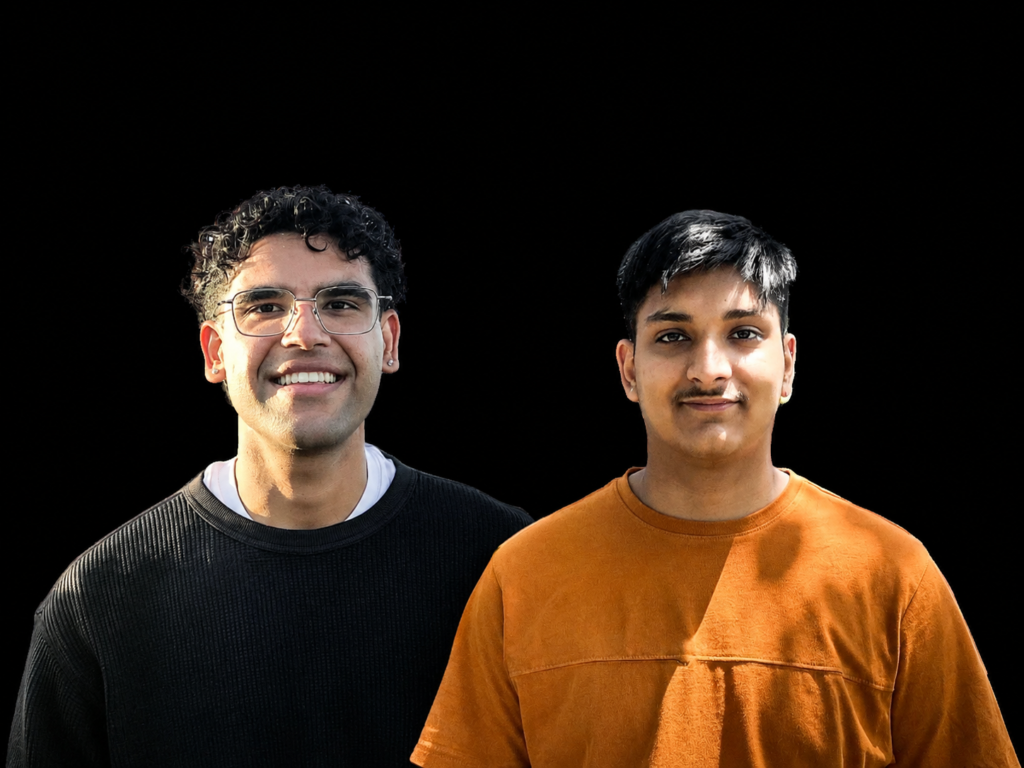
Delhi based manufacturing technology startup Morsa has raised $1.5 million in a pre seed funding round led by Silicon Valley based Jackson Square Ventures, with participation from the a16z Scout Fund.
The startup is developing an AI powered operations platform designed to help manufacturing plants coordinate daily activities, track execution, and manage operational bottlenecks.
Operating under its parent company Lunar Inc., Morsa plans to use the fresh capital for product development and expanding deployments across manufacturing facilities in India and the United States.
Morsa is positioning its platform as an AI Chief Operating Officer for manufacturing plants.
The software connects with existing enterprise systems, including Enterprise Resource Planning (ERP) and Manufacturing Execution Systems (MES), along with email and workplace messaging platforms such as WhatsApp, Microsoft Teams, and Slack.
Rather than requiring factory employees to adopt another software dashboard, Morsa works through the communication channels and systems they already use.
Its AI platform monitors operational information, identifies bottlenecks, assigns responsibility for tasks, follows up with suppliers, adjusts schedules, and checks whether assigned work has been completed.
The objective is to reduce the coordination gaps that can slow down manufacturing operations.
Manufacturing operations involve several interconnected activities, from procurement and inventory management to production scheduling and supplier coordination.
Even when factories have modern machinery and software systems, delays can happen because information is scattered across different teams and communication channels.
A missed update, delayed supplier response, or incomplete task can affect the wider production schedule.
Morsa is attempting to address this challenge by introducing an AI layer that connects operational information with execution.
Its approach also highlights a growing opportunity for AI agents to move beyond answering questions and take responsibility for coordinating real world business processes.
One of Morsa’s early commercial deployments was at J4S, a glass manufacturing facility with 120 employees.
The startup integrated its platform with the facility’s existing ERP software and operational WhatsApp groups.
Over four weeks, Morsa tracked approximately 900 operational commitments.
According to the company, the percentage of tasks completed on time increased from 30% to 75% during the deployment.
Morsa also said its platform is now active across multiple manufacturing plants, supporting 212 personnel across 75 operational group chats.
These deployments include a Tier 1 automotive supplier, which the company has not publicly identified.
Morsa was founded in June 2026 by Satvik Kapoor and Vedant Singh.
Kapoor, 22, serves as the company’s CEO, while Singh, 19, is its CTO.
Kapoor graduated in Computer Science from the University of Michigan in 2026. Before founding Morsa, he worked at Amazon, Perplexity, and startups backed by Y Combinator.
He also grew up around his family’s manufacturing businesses in Delhi and gained operational experience across eight factories.
Singh is from Lucknow and began programming at the age of 13.
According to the company, he developed a hospital bed availability platform during the COVID 19 pandemic that served more than 500,000 users. He has also won around 11 hackathons since moving to the United States.
The founders first connected through Tech Twitter and later won first place together at a Y Combinator hackathon in San Francisco.
After participating in additional hackathons and working on open source projects, they decided to build Morsa together in early 2026.
The $1.5 million pre seed funding will support Morsa’s product development and expansion across manufacturing facilities in India and the United States.
The startup is looking to scale its deployments while developing its AI platform for increasingly complex factory operations.
Its longer term ambition is to build an AI system capable of understanding factory operations, making decisions, executing tasks, and continuously learning from operational activity.
Morsa’s approach reflects a broader shift in how businesses are exploring artificial intelligence.
While many AI products focus on improving individual productivity, platforms like Morsa are targeting entire business workflows.
Manufacturing is an interesting environment for this approach because operations depend heavily on coordination between people, machines, suppliers, and software systems.
However, the ability to reliably manage these interconnected processes at scale will be an important test for AI powered operations platforms.
For Morsa, the immediate opportunity is to demonstrate that its AI COO can deliver measurable improvements across more manufacturing facilities.
Whether AI agents eventually become a core part of factory management will depend on how effectively they can translate information into reliable action.


contact@GrowthSenseNews.com
Sign up to get exciting updates through our newsletter- your one-stop for all things startup!