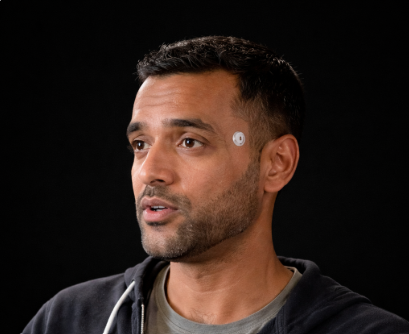
Nadh argues this shift has consequences beyond lost code contributions: he believes open-source capability is central to national technological resilience.
He warns that relying heavily on foreign SaaS and cloud platforms leaves India vulnerable to “systemic risk” if access is restricted or cut off.
He suggests that without a thriving open-source community, the country cannot build meaningful long-term technology capacity.
To rebuild the ecosystem, Nadh’s organisation has launched a fund (the “FLOSS/fund”) to support foundational open-source infrastructure projects globally, not just proprietary internal tools.
He also recommends that India consider creating a sovereign free-and-open-source-software (FOSS) fund, managed with community involvement, to ensure that essential open technologies remain accessible, robust and locally supported.
What is FLOSS/fund?
Zerodha’s FLOSS/fund (Free/Libre and Open Source Software Fund) is a $1 million annual initiative created by CTO Kailash Nadh to financially support open-source projects that form the backbone of global technology.
The fund, managed through an open and transparent process using public “funding.json” manifests, provides grants ranging from $10,000 to $100,000 to critical projects such as Blender, FFmpeg, Wireshark, and OpenStreetMap.
Nadh says the goal is to restore momentum to India’s once-vibrant open-source ecosystem, disrupted by the 2000s startup boom, and to build long-term technological self-reliance.
Beyond direct grants, he has urged the Indian government to create a sovereign FOSS fund similar to Germany’s model, ensuring that essential open technologies remain accessible, sustainable, and free from overdependence on foreign platforms.