

- Sun, 1 March 2026

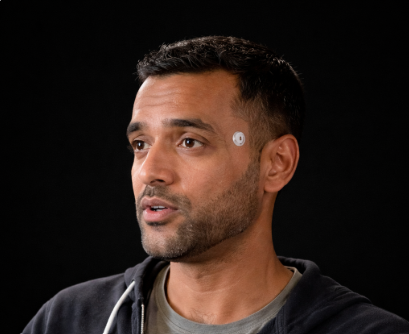
Pichai grew up in Chennai, India, at a time when mobile phones were not yet available on the market. He used to make four-hour round trips to hospitals for his mother’s blood test results. At times, the hospitals did not complete the testing, and he had to make another trip.
Then came mobile phones, serving as a saviour to Pichai, as he no longer had to travel to hospitals. The results were just one call away. This technological change made his life easier and convenient.
Pichai has repeatedly mentioned that AI will be as commonly used as electricity, and he is not wrong. We are all repeatedly using ChatGPT or Gemini to assess everything and anything, making decisions for us: whether it’s what socks to wear the next day or analysing big data-related provisions.
At the forefront, Pichai believes that AI will make lives better. He has noticed that advancements in technology have always created a sense of fear in every previous generation, but in reality, it has almost always benefited the people of every generation, he points out.

When the Internet came, People were flabbergasted. No one knew that the internet is something that can be used for blogging, vlogging, creating memes, and so much more: A new creative wave was unleashed through the medium of the Internet and then further, social media apps.
With AI, A new wave will come too. Pichai mentions that he loves to play around with “Vibe Coding”, a term used for the process of using natural languages and converting them into code. In practice, it means that you command AI to generate everything you need to build an application just by using a variety of prompts.
Google has created its own lab for testing a variety of AI, known as Google Labs, focusing on areas such as Creating, Learning, Developing and more.
The various projects under these labs include Flow, an app that generates cinematic videos just by writing down prompts. Another experimental app named Doppl, works as an AI assistant that lets you try any clothes and explore your style.
Jules is an asynchronous AI coding agent that automates tasks within GitHub workflows like bug fixes, writing tests, and adding features.
With these ideas and innovations, Google also plans to invest $25 billion in data centres and artificial intelligence infrastructure over the next two years in states across the biggest electric grid in the U.S.

When the Industrial Revolution occurred, people rebelled against the machines because they were replacing human labour.
When the technological revolution arrived, it was thought to do the same, but something different happened: It increased the number of jobs and opened many more creative fields (Source: DevelopmentAid)
According to a 2023 report by the World Economic Forum, “technological advancement through increased adoption of new and frontier technologies and increased digital access are expected to drive job growth in more than half of the surveyed companies.”
When it comes to the AI revolution, survival of the fittest is seen: Those who will accept will shine and those who won’t will suffer. A fear has been instilled in people that many people will lose their jobs, which could be a true predictive factor according to some studies, but Pichai does not think so.
He strongly thinks that AI will be able to generate more jobs, and engineers will be able to focus more on the creative aspects of their work and bring in innovation, which will be accelerated by AI.
AI is helping many industries grow faster and work better. In healthcare, it can help doctors find diseases early and suggest better treatments.
In finance, it can catch fraud and give people smart advice about money. In factories, AI can control machines, check product quality, and make work safer. In schools, AI can help teachers give students personalised learning and save time on tasks like grading.
While AI makes many jobs easier, it might also replace some roles that are repetitive or routine. That’s why it’s important to help workers who lose jobs due to AI. They need training in new skills, support in finding new careers, and financial help while they adjust. To make sure everyone benefits from AI, it should be made available to all people, not just the rich or those living in cities. Governments and companies must work together to provide digital tools, internet access, and good education to all. If done right, AI can make life better for everyone and reduce the gap between different social and economic groups.
AI will lead to new careers that we can’t fully imagine yet. The key will be learning how to use AI tools, adapting to change, and developing skills that technology can’t easily replace, like critical thinking, empathy, and creativity.

Sundar Pichai believes that AI should be regulated, but in a smart and careful way. He says that rules should focus on keeping people safe without stopping new ideas or slowing down progress. Instead of making one rule for everything, he suggests that each industry should have its own set of rules.
For example, healthcare AI should follow different rules from AI used in shopping or transportation.
He also thinks that we can use some of the laws we already have, like those for privacy or discrimination, and apply them to AI.
Pichai says that AI rules should be based on key ideas like safety, fairness, and honesty.
He believes that countries should work together to make global rules, because AI affects the whole world, not just one place. He supports thoughtful steps that solve real problems, like bias or fake content, but warns that rushing into strict laws could stop good work from happening.
[Credits for header image: CNBC
This content is for informational purposes only and does not constitute legal, financial, or investment advice. This has been constituted based on third-party sources. We do not assume any liability for actions taken based on this information.]
contact@GrowthSenseNews.com
Sign up to get exciting updates through our newsletter- your one-stop for all things startup!