Ash Arora, Indian-origin venture capital investor and partner at LocalGlobe, recently took to X (formerly Twitter) to express her frustration over unethical behavior by two startup founders. She alleged that both individuals — whom she referred to as “desi” men, implying Indian origin: had used fraudulent tactics to boost their startups’ image and credibility.
According to Arora, one founder was “subletting a rented apartment and showing that as revenue for his startup,” while the other was “claiming Amazon and Google as clients who have signed LOIs (letters of intent), when they’ve never even heard of him.”
“What’s common among them? Both desi men Sad EmojI
Beware of these people!” She said in her post.
She also mentioned that there should be a radar in the community itself to figure out these malpractitioners.
“4 VCs have pinged me correctly guessing both these founder names Is this Soham Parekh 2.0? We need a BS radar community out here.” she commented.
The Social Media Chaos
Some people did not like the fact that she generalised “desi” men just on the basis of two founders.
One person commented, “A sample of two. What’s the point of including their race ?” to which Arora replied, “Because it breaks my heart that Indians are doing this and ruining the reputation of my country”.
Many people pointed out that the tone of her tweet was racist, but many defended her for the same.
Some people saw the larger problem at hand: “an agent to detect and keep a LIVE list of the company’s fundamental patterns indicates that it’s a fraud.”
Some took it humorously, “Soham Parekh Enterprise Pro”, one comment read, while the other read “people take fake it until you make it too seriously nowadays.”
The larger problem at hand
The larger problem at hand is not just about two individual founders engaging in questionable behaviour: it’s about the growing trend of unethical practices in the startup ecosystem, and how credibility is being compromised over and over again.
How did it become so easy for people to use these malpractices and get away with it? Why are founders losing their integrity? Why are employees not being honest with their firms?
This problem needs a systematic solution, and here is how one can do it:
Stronger Checks by Investors Investors should not rely only on pitch decks. They must ask for proof, like audited financials and confirm claimed partnerships directly. Doing basic background checks can prevent bigger problems later.
Build a Trusted Integrity Network Create a private forum where VCs and mentors can share warnings or red flags anonymously. This helps the community avoid repeat offenders. Platforms like AngelList could support this with built-in alerts.
Mandatory Ethics Declarations Founders should sign a clear statement confirming that their claims are true. If caught lying, they should face serious consequences like being blacklisted. Honest corrections should be welcomed, not punished.
Teach Founders About Ethics Early Startup programs must include sessions on ethics and honesty. Showing real-life examples of fraud cases can warn new founders. Celebrating slow, honest growth sets a healthier example.
Criticise Behaviour, Not Identity Call out dishonesty without linking it to race, gender, or background. Focus on facts, not labels. Accountability works best when it’s fair, respectful, and solution-focused.
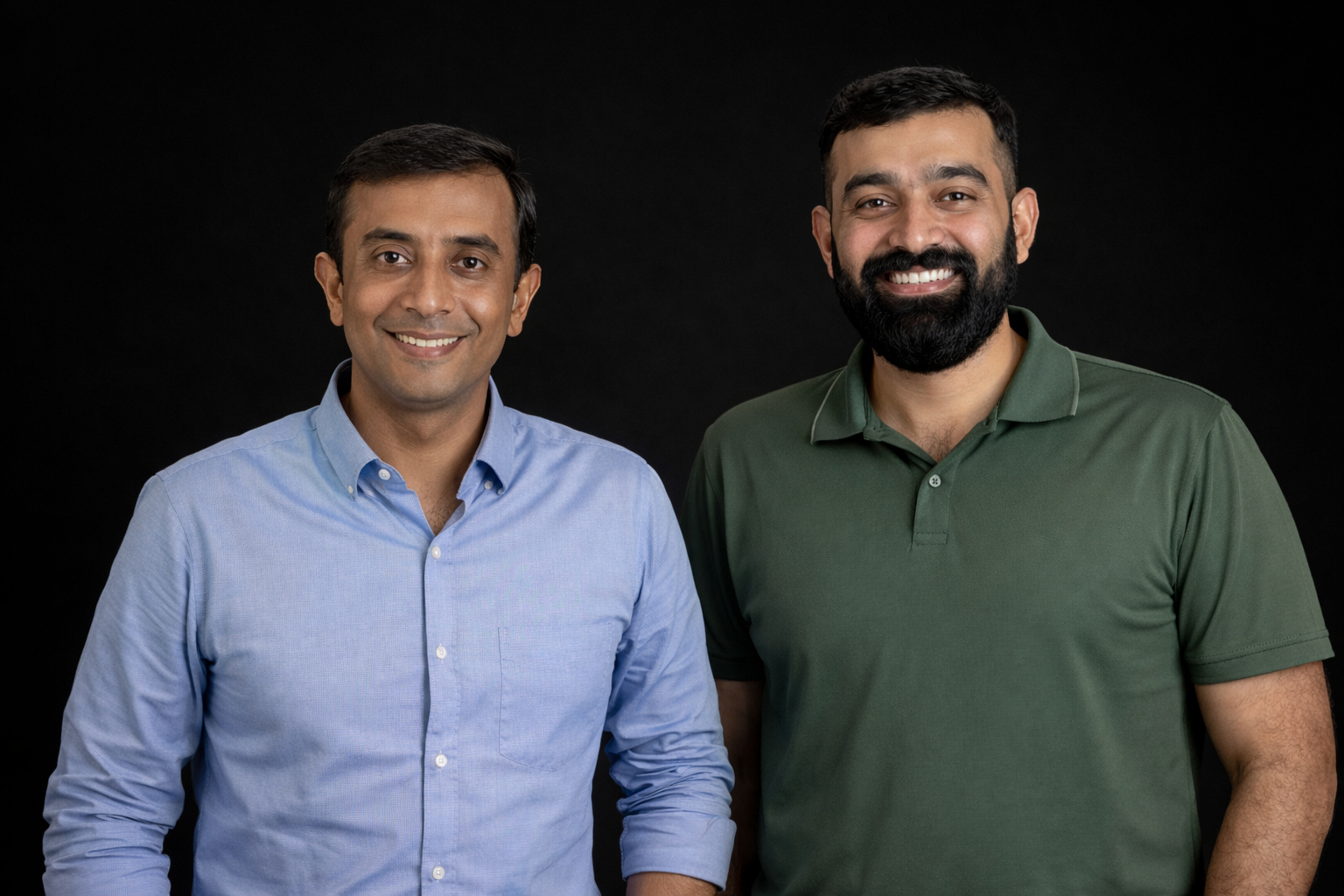
Credit for header image: Hindustan Times
[This content is for informational purposes only and does not constitute legal, financial, or investment advice. This has been constituted based on third-party sources. We do not assume any liability for actions taken based on this information.]