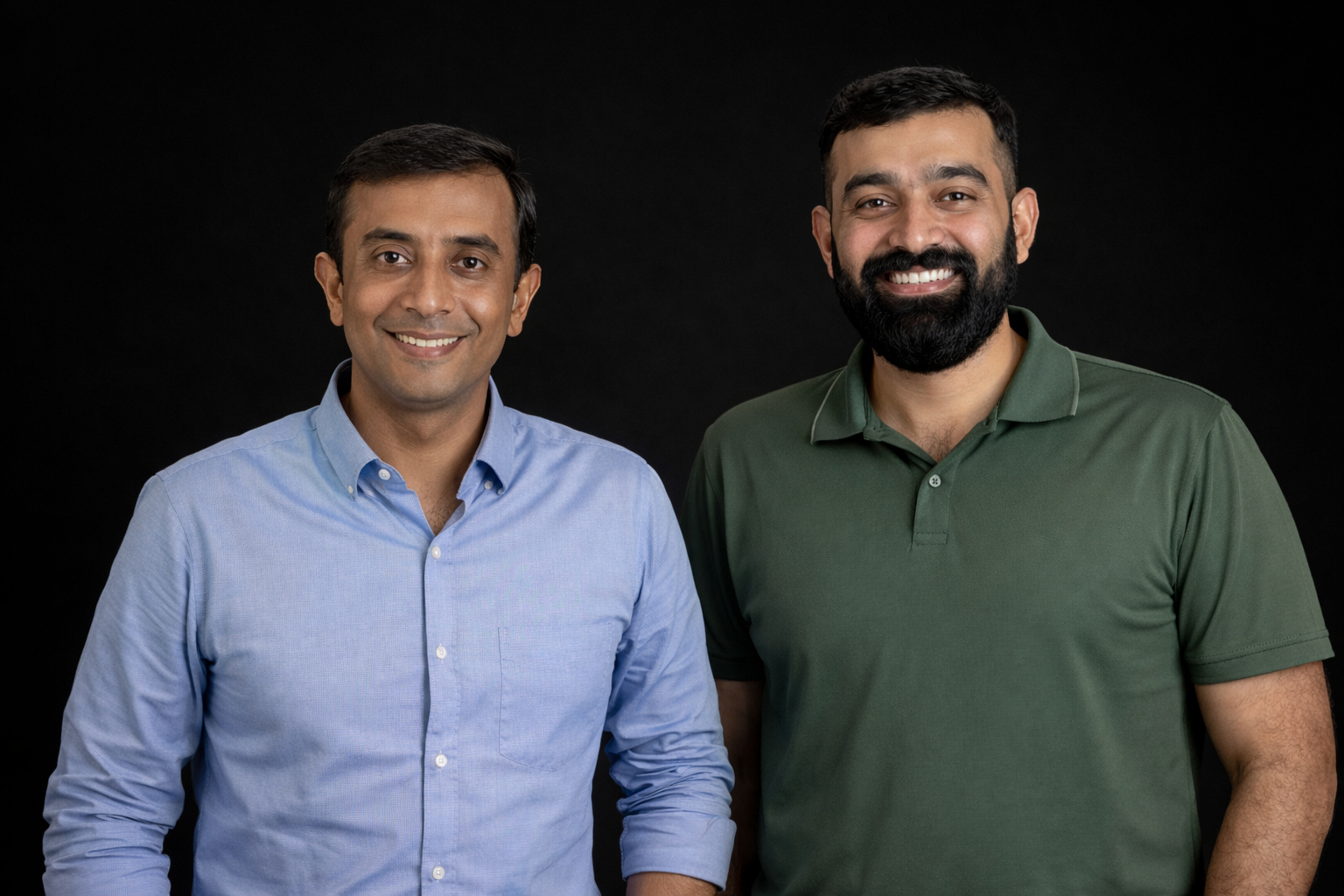
“India kills its own talent before the world even gets to see it,” says Akhil Suhag, a startup founder, while highlighting how students get trapped in the cycle of entrance exams and end up studying subjects that are not relevant to their careers. For example, Akhil questions the system: Why should someone spend hours studying chemistry if they want to become a coder?
There is no logical sense in how we assess people or glorify the names of prestigious colleges. Akhil points out that everything is “rank-based,” and if a student’s rank “isn’t good enough,” he may end up studying textile engineering even though his real interest lies in computer science.
Tags such as those of IIT or IIM often matter more than the course a student wants to study or what they hope to achieve in life.
The system punishes students who choose to follow their passion instead of preparing for entrance exams. For example, someone who pursues coding directly may end up in an unrelated college, which in turn leads to an unrelated job. This gradually kills motivation and completely derails their path.
For those who later wish to pursue an MBA, the pattern continues. A student’s college determines their first job, and that first job goes on to define their MBA profile.
In India, institutional tags consistently matter more than the actual skills people bring to the table.
credits: linkedin
The One-Day Test Problem
In India, so much depends on a single exam day. If a student feels sick, anxious, or simply has a bad day, they can lose chances that affect their career for decades. Still, society treats these exams as the only true measure of talent.
Some people argue that if someone is really good, they will succeed no matter what. This is partly true, but without the brand name of a top college, the road becomes much harder and full of obstacles.
The UPSC Conundrum
The obsession with entrance exams does not stop at colleges. It also shows up in civil services. Every year, hundreds of thousands of students spend their best years preparing for the Union Public Service Commission (UPSC) exams. Yet there are only around 500 seats.
The bigger concern is what these exams actually test. Instead of focusing on leadership, decision-making, or emotional intelligence, they make candidates memorize huge amounts of information. Interestingly, the Indian Army checks its officers for psychological and emotional strength, but UPSC, which selects the country’s top bureaucrats, relies mostly on rote learning.
credits: IBG News
Change Your Focus
India’s heavy dependence on entrance exams and college tags has created a system that often rewards memory over skill, rank over passion, and chance over true ability.
From engineering entrances to UPSC, one exam day can shape a lifetime, leaving many talented students behind. With only about 500 UPSC seats and limited spots in top colleges, the majority of young people end up sidelined despite their potential.
If India wants to truly harness its demographic dividend, it needs to move beyond rote-based testing and focus on assessing real skills, creativity, leadership, and emotional intelligence.
Otherwise, the country risks continuing to waste the energy and talent of an entire generation before the world even gets to see it.
[Credits for header image: TedEx
This content is for informational purposes only and does not constitute legal, financial, or investment advice. This has been constituted based on third-party sources. We do not assume any liability for actions taken based on this information.]