Slower Than Zepto, Smarter Than Blinkit: FirstClub’s Premium Play

Share this post :

Facebook
Twitter
LinkedIn
Pinterest

FirstClub: Slower yet Better

Most quick-commerce apps in India compete on one thing: how fast they can get your groceries to your doorstep. Zepto and Blinkit promise delivery in ten minutes, and that has become the industry standard.

FirstClub is playing a different game. Instead of selling speed alone, it is selling trust and quality. It promises that the food and essentials you buy are cleaner, safer, and better tested than what you usually get online. 

For richer households in India, the thinking is simple: fast delivery is useful, but what really matters is whether the food is free from harmful additives and whether it meets high-quality standards. FirstClub wants to be seen less as a delivery app and more as a premium grocery store that just happens to deliver in half an hour.

credits: Marcamoney

Quality Over Quantity: FirstClub

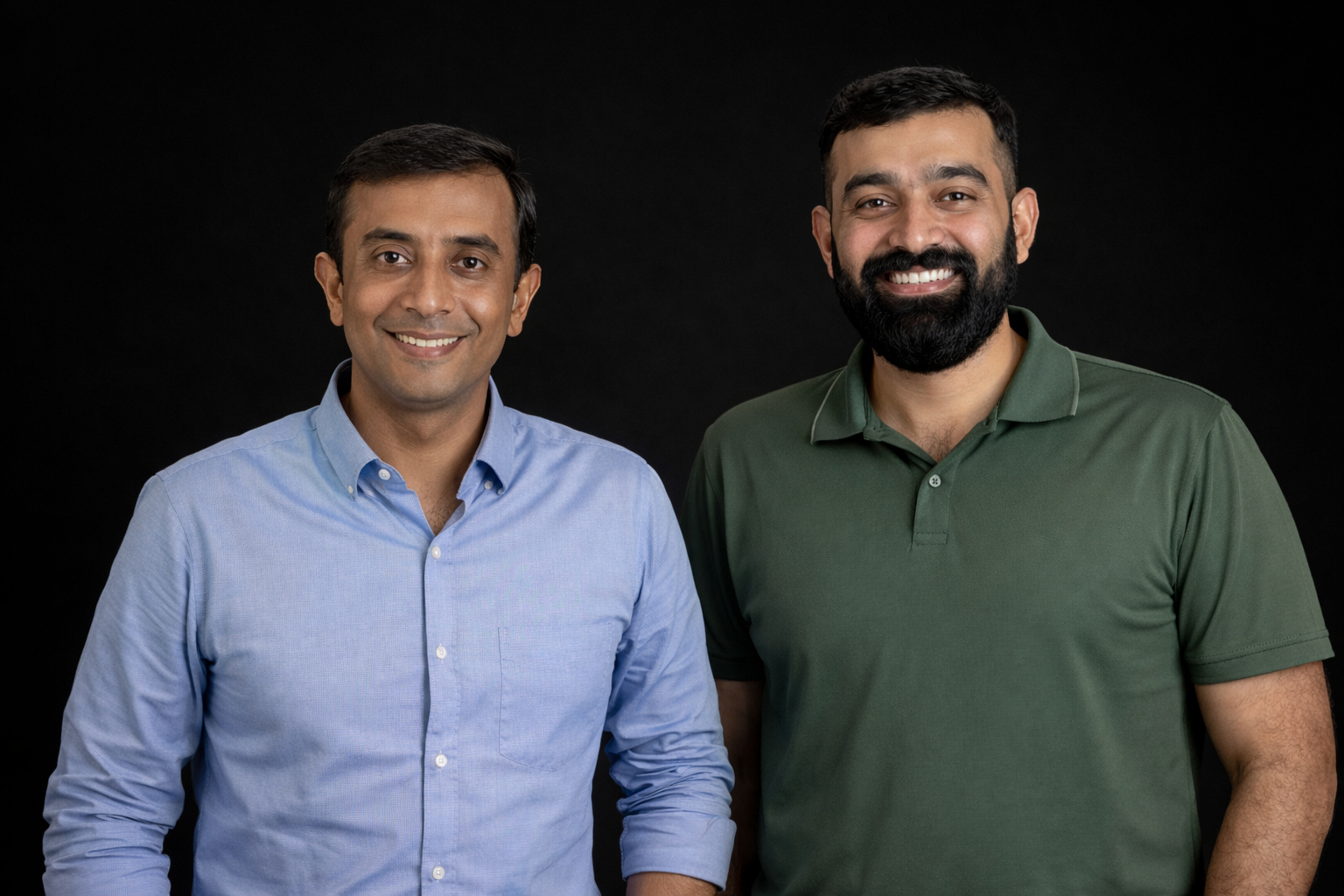
FirstClub, launched in Bengaluru in mid-2025 by ex-Flipkart and Myntra executive Ayyappan R. The platform is built for the top ten percent of Indian households, those earning more than ₹15 lakh a year. The company bans over 200 additives, sources 95 percent of its goods locally, and tests everything before it hits the shelves. 

It has even started building its own private-label products, which not only bring better margins but also create a sense of exclusivity. The result is a shopping experience that feels closer to a Whole Foods in the US than to a regular quick-commerce app in India.

Products range from fresh produce and dairy to bakery items, nutrition supplements, and pantry essentials. It has also started building private-label products, which not only give better margins but also create exclusivity for customers. 

Since its June 2025 launch in Bengaluru, FirstClub has opened four “clubhouses”, its revamped equivalent of dark stores designed for cleanliness and potential consumer visits. The platform now offers more than 4,000 curated products, ranging from fresh produce and packaged foods to bakery items and nutritional supplements. 

Impressively, 60% of products are exclusive to the platform. The average order value is around ₹1,050 ($12), nearly double that of major quick-commerce rivals, and the repeat purchase rate sits at 60%.

FirstClub is already preparing to branch into new areas like pet care, kids’ food, nutraceuticals, home care, and gifting. In that sense, the platform feels closer to a Whole Foods experience than a typical quick-commerce app.
credits: google play

Why FirstClub Could Work in India

FirstClub is betting on a deep structural change in how India’s upper-middle class consumes.

Over the past decade, disposable incomes have risen sharply in Tier-1 cities like Bengaluru, Mumbai, and Delhi. The top 10 to 15 percent of households, who already account for nearly half of FMCG spending, are showing a stronger preference for quality, health, and exclusivity over sheer price and speed. This shift creates space for a curated, Whole-Foods-like platform that promises clean ingredients, fewer additives, and exclusive private labels while still delivering in under 30 minutes.

The second reason is trust and differentiation.

Unlike Zepto or Blinkit, which compete in a price-sensitive, mass-delivery race, FirstClub positions itself as a club rather than just another quick-commerce app. Its screening of more than two hundred banned additives and emphasis on fresh, traceable supply chains resonates with a customer segment that is both health-conscious and brand-loyal. This group is less likely to chase discounts and more willing to pay for consistency and credibility.

Third, the unit economics look better in premium.

With an average order value of about ₹1,050, almost double Zepto’s ₹500 to ₹600, FirstClub can afford healthier margins and lower burn per order. Combine that with a 60 percent repeat purchase rate and early exclusivity on sixty percent of its products, and the model starts to look more sustainable than pure speed-driven quick commerce.

Credits: The ET

The Funding Story

FirstClub’s funding journey shows how investors are buying into this premium bet.

In December 2024, it raised 8 million dollars in seed funding from Accel, RTP Global, Blume Founders Fund, Quiet Capital, and 2am VC, along with high-profile angels like Binny Bansal, Kunal Shah, and Ankit Nagori. By September 2025, it had secured another 23 million dollars in a Series A round led by Accel and RTP Global, joined by Paramark Ventures and Aditya Birla Ventures. 

That round pushed its valuation to about 120 million dollars, almost three times higher than nine months earlier. 

Right now, the company runs four dark stores aka clubhouses in Bengaluru and plans to expand to thirty-five in the next six months, aiming to cover every pin code in the city before moving to other metros. Compared to Zepto, which has raised over 1.5 billion dollars and is valued at around 5 billion dollars, FirstClub is still small, but it is deliberately staying focused on a narrower market.

With its new capital, FirstClub plans to roll out 35 clubhouses by March 2026, aiming to serve all Bengaluru pin codes by Diwali, before expanding into Delhi and Mumbai. 

[Credits for header image: Convergence Now

This content is for informational purposes only and does not constitute legal, financial, or investment advice. This has been constituted based on third-party sources. We do not assume any liability for actions taken based on this information.]