

- Sun, 1 March 2026

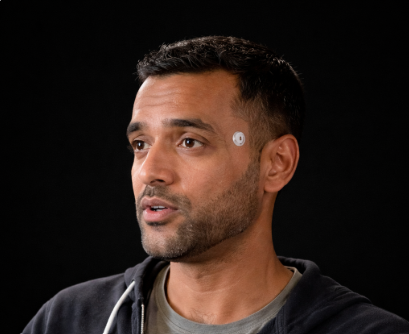
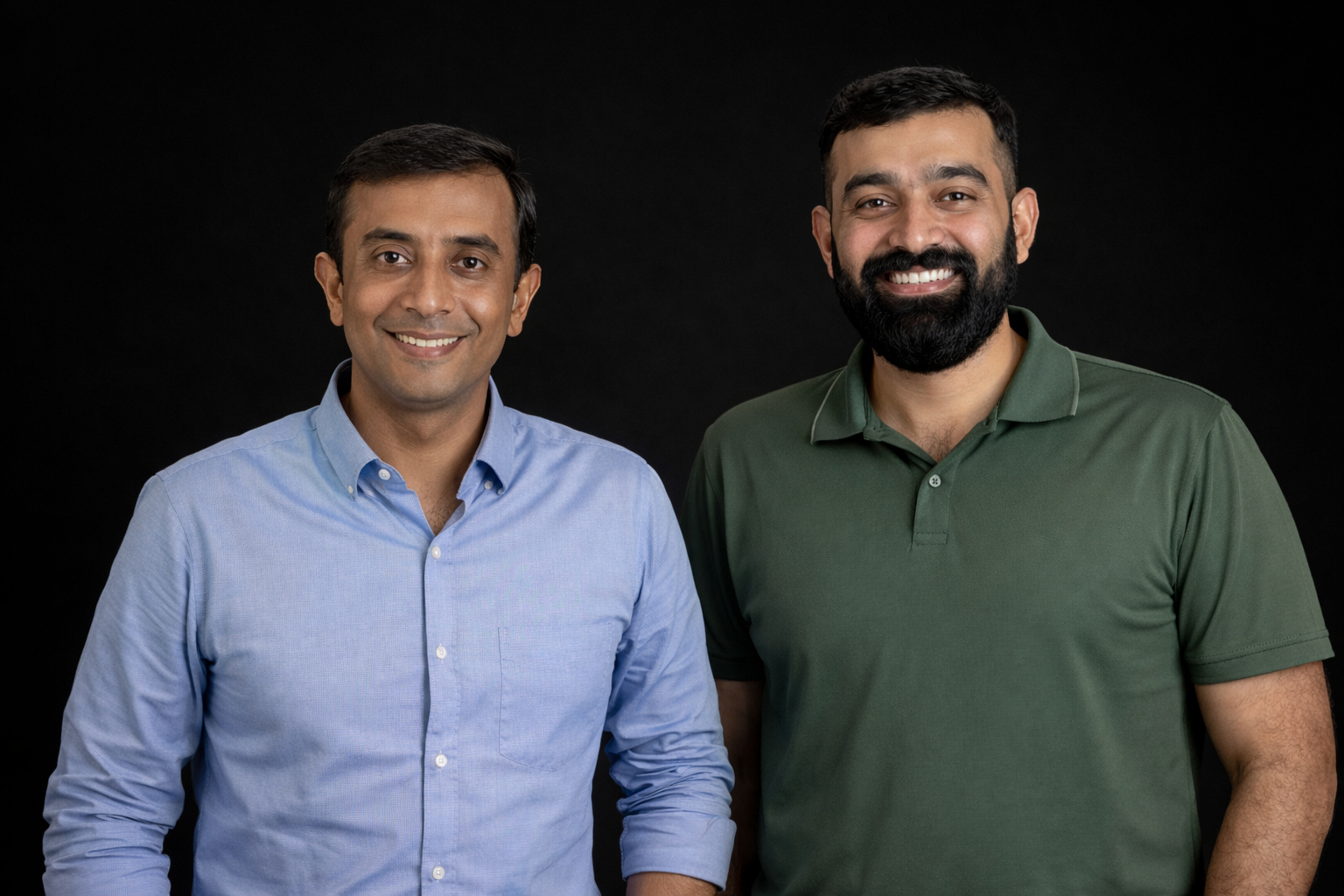
Daksh Gupta, the India-origin CEO of AI startup Greptile, has doubled down on his high-intensity work culture, affirming that employees are expected to work 12 to 14 hours a day, six days a week, entirely from the office, with no option for remote work.
Despite the demanding hours, Greptile offers lucrative compensation packages: junior-level staff receive base salaries ranging from $140,000 to $180,000 annually, plus $130,000 to $180,000 in equity. Senior hires with over seven years of experience can command base salaries between $240,000 and $270,000 per year. Additional perks include free lunch and dinner, transportation, comprehensive healthcare, and a 401(k) match.
Daksh Gupta is a 23-year-old Indian-American entrepreneur and co-founder of Greptile, an AI startup based in San Francisco.
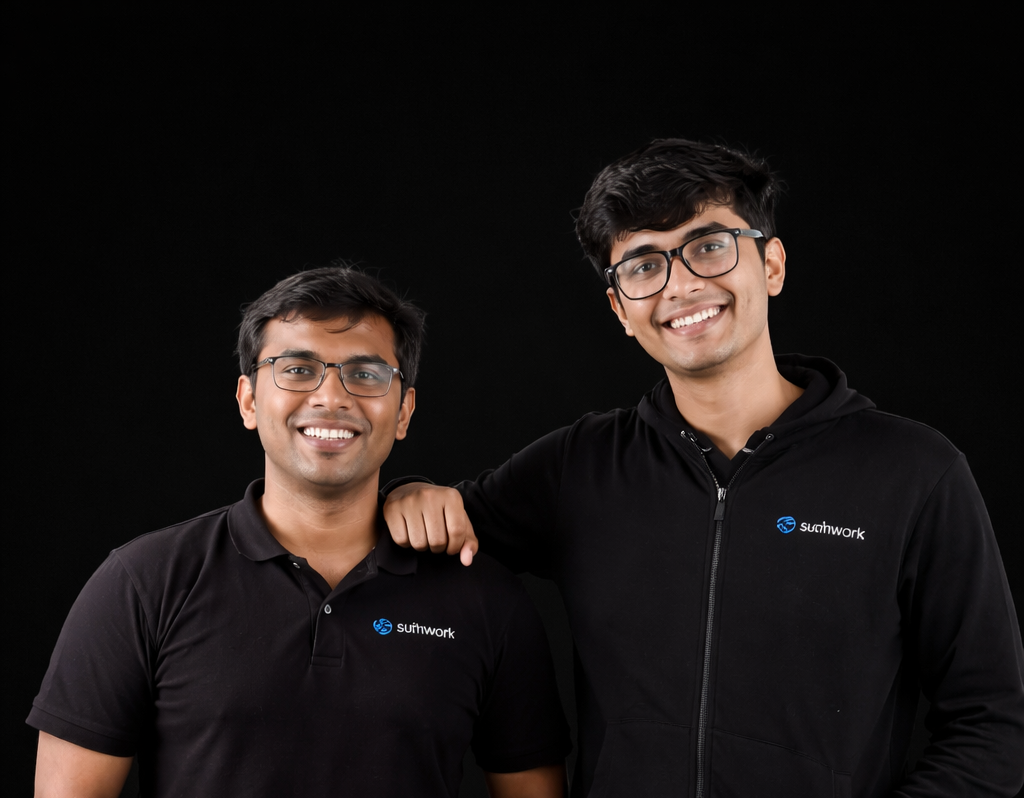
He graduated from Georgia Institute of Technology (Georgia Tech) with a degree in computer science, where he began collaborating on projects with his co-founders, Soohoon Choi and Vaishant Kameswaran, in 2022.
His interviews and social media posts have spotlighted him as the “poster child of AI boom’s grindcore culture.”
Greptile is a Silicon Valley–based AI startup founded by Daksh Gupta that builds an advanced codebase assistant for developers. The platform uses artificial intelligence to help engineers quickly search, understand, and navigate large and complex code repositories, saving hours of manual effort.
Greptile was founded in 2023 by Daksh Gupta shortly after he graduated from Georgia Tech. It then joined Y Combinator’s Winter 2024 batch.
As of mid-2025, Greptile is in the process of raising a 30 million dollar Series A round, with Benchmark, led by partner Eric Vishria, expected to lead the investment. The proposed valuation for this round stands at 180 million dollars, although the deal has not yet closed, and terms may still shift.

Transparency from the Start
Gupta said he now tells candidates in the first interview that Greptile offers no work-life balance. He describes a routine that typically begins at 9 a.m. and stretches past 11 p.m., with Saturdays—and sometimes Sundays—also on the calendar. “I emphasize the environment is high stress, and there is no tolerance for poor work. It felt wrong to do this at first, but I’m convinced now that the transparency is good. I’d much rather people know this from the get-go rather than find out on their first day,” he explained.
The “Rocket Launch” Metaphor
He likens his startup to a rocket launch, arguing that success depends on intensity. “When you have two groups of smart people solving the same problem, the one that works harder and is luckier wins. And you can’t control your luck, but you can control how much time you put in,” Gupta said.
A Temporary Phase
Gupta insists that such extreme schedules are not meant to last forever. “This isn’t supposed to be forever because it isn’t sustainable. It’s the first year or two of a startup which is like reaching escape velocity. As we mature, we’ll hire older, more experienced people who have families and can’t work 100 hours a week, and naturally we would adapt like any good organization.”
Mixed Reactions and Personal Toll
His comments have stirred heated reactions. Gupta noted that his inbox has been “20% death threats and 80% job applications.” On X (formerly Twitter), he tried to strike a conciliatory note: “To everyone who is overworked and underpaid … I feel for you, and I’m sorry this struck a nerve.”
Not Opposed to Balance—Just Not at Greptile
“I have nothing against having a work-life balance. In fact, I recommend it to all our competitors,” he quipped.
Cultural Framing
Gupta also pushed back against cultural assumptions about his attitude: “I work this way because I’m San Franciscan, not because I’m Indian.”
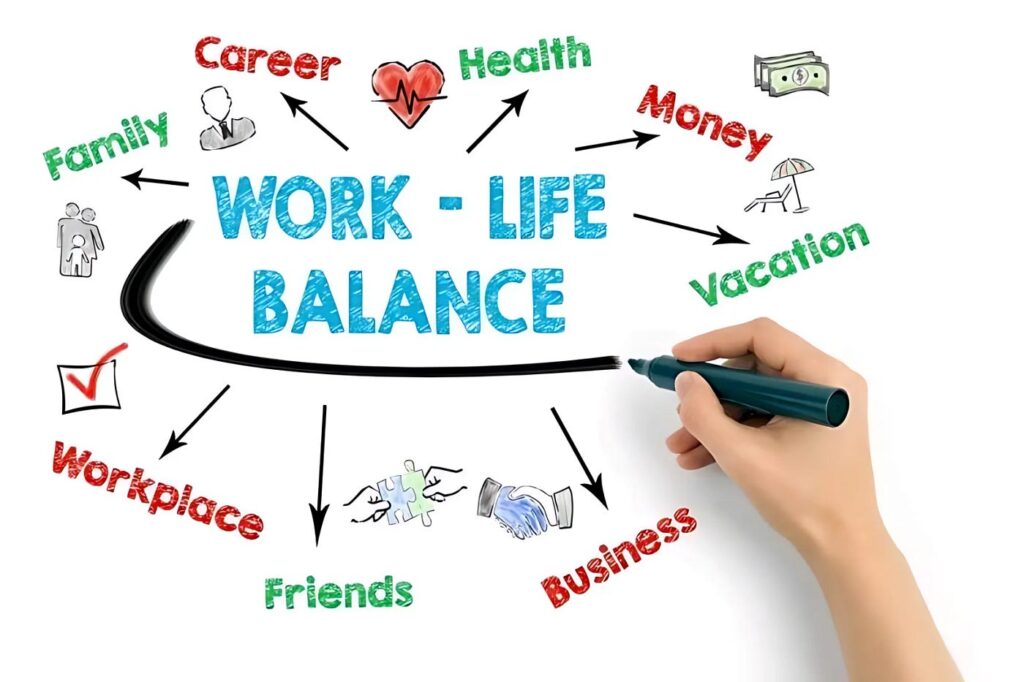
While Gupta’s views sparked sharp debate, they echo the controversial “996” work culture rooted in Chinese tech companies and now resurfacing in Silicon Valley’s AI boom.
Indian tech veteran Narayana Murthy recently revived the 84-hour workweek debate, arguing that young Indians should dedicate themselves to nation-building through longer working hours. This aligns with Gupta’s stance, though many business leaders and HR experts globally caution that excessive hours risk burnout, mental health crises, and declining productivity.
Elon Musk has often promoted long and intense work hours, once calling 80 to 100 hour weeks essential for changing the world. He argues that extreme dedication is sometimes the only way to build transformative companies.
Jeff Bezos has spoken about the importance of maintaining “work-life harmony” rather than strict balance. He believes energy and satisfaction at work and home should reinforce one another, not compete.
Satya Nadella, CEO of Microsoft, has emphasized empathy, flexibility, and sustainable productivity. Under his leadership, Microsoft has experimented with hybrid work and wellness programs to support employees.
Sundar Pichai of Google has highlighted the need for psychological safety and openness in the workplace, arguing that innovation thrives when people feel supported rather than pressured.
Jack Ma, co-founder of Alibaba, famously supported the “996” work schedule (9 a.m. to 9 p.m., six days a week) in China, but later softened his stance after backlash, saying such practices should not become mandatory.
Indra Nooyi, former CEO of PepsiCo, has stressed that leaders need to be role models in balancing intense professional demands with personal well-being, urging companies to rethink expectations placed on employees.
[Credits for header image: The impressive times
This content is for informational purposes only and does not constitute legal, financial, or investment advice. This has been constituted based on third-party sources. We do not assume any liability for actions taken based on this information.]
contact@GrowthSenseNews.com
Sign up to get exciting updates through our newsletter- your one-stop for all things startup!